Scams stories
More than half of shoppers would abandon or switch cards if bank checks took over 60 seconds, a survey found ahead of Cyber Monday.
Consumer scam reports will now flow into a global network used by platforms and telecoms operators, widening early warnings as fraud shifts across services.
KnowBe4 said phishing attempts tied to the game jumped 1,300% as scammers used fake pre-order offers to target staff and gamers alike.
Public agencies are expected to shift fraud checks earlier in 2027 as AI-fuelled scams, false claims and identity abuse become harder to spot.
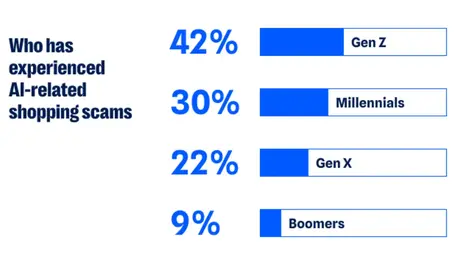
Holiday shoppers are increasingly exposed to harder-to-spot fraud, with 28% of consumers saying they have fallen for an AI-related scam in the past year.
A cross-sector sharing model could help firms spot scams earlier, as regulators and major payments groups back efforts to curb fraud across Asia Pacific.
The free app checks links, messages and images to help consumers spot scams before they click, buy or share on mobile.
Small business MSPs can now tie browser events to email, identity and endpoint alerts, closing gaps as phishing and AI tool misuse rise.
Almost half of UK Gen Z consumers have encountered AI deepfake scams, as fraudsters increasingly target them through messaging apps and social media.
Most Australians are planning earlier, tighter festive budgets as 60% say they feel anxious about Christmas spending amid cost-of-living pressure.
The launch has raised fresh concerns over stranger contact, scams and in-game spending, with an R18+ rating limiting access for younger players.
Backed by a Gates Foundation grant, the new group aims to let banks, telecoms and others share fraud intelligence across borders more quickly.
Confident shoppers are the easiest to fool, with Uswitch estimating online shopping scam losses of GBP £463 million across the UK.
New Zealanders are still losing billions to increasingly sophisticated scams, with even genuine-looking parking fine notices now being used to steal card details.
Rising scam losses and slower fraud detection could leave Australian firms exposed as automated attacks spread through payments, identity and procurement.
The new group aims to close intelligence gaps as scams spread across non-bank payments and digital asset transfers beyond banking safeguards.
Australian firms face rising losses from AI-enabled scams unless they tighten payment checks, identity controls and internal processes.
AI is set to make impersonation scams and account takeovers harder to spot as Australians reported AUD $2.18 billion in scam losses in 2025.
Nearly three-quarters of adults said they could spot a scam, yet 44% of those targeted still engaged, with losses topping NZD $503.5 million.
Businesses face greater losses as scammers exploit service desks, remote hiring and real-time payments, leaving less time to spot deception.