Incident Response stories
Security teams can now test whether AI agents stay within bounds before giving them wider access, as Cloud Range's framework seeks to cut operational risk.
UK organisations could gain faster alerts on visible weapons as ZeroEyes enters the market through Samson Security Fire & Facilities.
The tool aims to help engineers catch unsafe or inaccurate AI outputs before they reach customers, as firms push generative systems into production.
August saw ransomware activity hit a 2025 high, with 1,073 attacks logged as businesses in North America and Europe bore the brunt.
Most European firms are unprepared for AI-enabled attacks, as 56% of cybersecurity teams say they are understaffed and 55% underfunded.
SMBs face rising breach risk as the report says seven routine security failings, not advanced malware, drive most attacks, with ransomware in 88% of cases.
The new system aims to help security teams spot attacks sooner as AI-driven exploitation narrows the window between flaw disclosure and abuse.
Threats are now spanning identities, cloud and software supply chains, with AI speeding attacks and complicating defence, Microsoft says.
The combined group would give Microsoft customers broader AI-led threat detection and response, with no deal value disclosed.
Rising telemetry volumes and AI use are pushing security teams to trim ingestion bills by filtering data before it reaches analytics systems.
Enterprise buyers are moving AI security tools into live operations as staffing shortages and alert overload push automation deeper into the SOC.
The upgrade gives IT teams direct access to curated network evidence in AI tools, helping cut token use while improving incident checks.
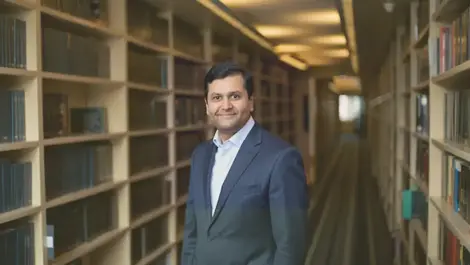
ReliaQuest has appointed Krish Venkataraman as Chief Financial Officer, bringing more than 20 years of technology and finance experience.
Security teams can now trace prompts, responses and tool calls from Claude Code and Cowork alongside other enterprise signals.
Many businesses are exposing themselves to cyber, regulatory and operational risks by rolling out AI faster than governance can keep up.
Executives and wealthy families now have a gap-filling option as the firm adds human-led monitoring, phishing defence and incident response to its advisory work.
Boards are being urged to beef up defences as AI tools may soon help criminals automate attacks and target New Zealand organisations more precisely.
The deal gives the institute round-the-clock threat monitoring and executive cyber oversight as it seeks to protect nearly 40,000 members and 8,600 students.
Rising storage and ingestion bills are pushing security teams to trim telemetry before it reaches analytics, as AI swells data volumes.
Vehicle incidents remain the biggest killer of Australian workers, prompting employers to tighten lone-worker checks and emergency response plans.