AI Safety stories
A broad industry push aims to give cyber defenders shared tools for spotting AI flaws, as regulators weigh whether open models raise new risks.
The hire is aimed at accelerating AI product development and strengthening governance as Zingtree targets regulated customer service operations.
Users can now link medical records and Apple Health to ChatGPT, as OpenAI broadens its AI chatbot into personal health management for adults in the US.
European firms face mounting AI compliance pressure as ISACA plans a Munich conference to address governance, cyber resilience and digital trust.
Banks and insurers could soon grant AI agents narrower, time-limited access to sensitive systems under Daon's new patent.
Businesses can now query governed data across cloud systems in plain language, as Google Cloud opens its conversational analytics tools more widely.
Despite near-universal uptake, most ANZ SMEs still distrust AI to make cyber security decisions as incidents continue to disrupt work.
Rising demand for AI security helped Saviynt top USD $300 million in annual recurring revenue as enterprises seek control over non-human identities.
The release aims to help teams catch failures earlier as AI takes a larger role in coding, operations and incident response.
The rollout should ease support bottlenecks for sellers as the tool handles surges in game-release enquiries across 180 countries.
Approved AI tools are cutting shadow use by staff, but Cohesity warns the bigger risk is corrupted enterprise knowledge and weak governance.
The expansion signals Cognizant's push to turn AI trials into production work for clients amid tighter scrutiny of governance and risk.
Business travellers can now book policy-compliant flights and hotels inside Claude, as Amex GBT pushes AI agents from search to transactions.
Governance controls aim to curb AI misfires as Dynatrace moves from observability to automated incident triage and remediation.
The new model now underpins Claude Max at the same price as Opus 4.8, with stronger coding and research performance, Anthropic said.
Security teams can now use AI for penetration testing without exposing hostnames, IP ranges or credentials to model providers.
Security chiefs face a widening breach risk as most firms plan to use AI agents, yet barely a third feel ready to secure them properly.
A growing share of consumers want businesses to prove AI is powered responsibly, with younger New Zealanders most worried about its environmental costs.
Banks are moving AI into live, regulated systems, putting pressure on software vendors to prove every instruction is authorised and auditable.
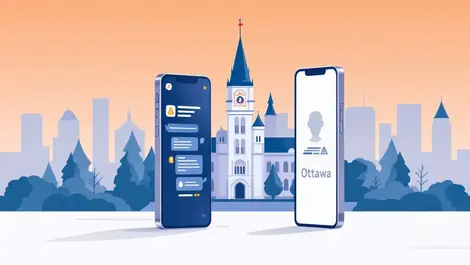
Canadians could soon get clearer warnings on chatbots and synthetic content as Ottawa weighs rules to track serious AI incidents and agentic tools.