

M11 Labs launches AI commerce trust platform & OpenMarket
Mon, 14th Sep 2026 (Today)%201.webp)
M11 Labs has launched an AI commerce trust platform and a live marketplace called OpenMarket as AI systems play a larger role in online buying decisions.
The launch coincides with the company's first category study, which examined more than 600 skincare brands and over 15,000 evidence captures. The research found that 47% of skincare brands lacked independently verifiable evidence for the claims used to market their products.
Based in London and San Francisco, M11 says its platform is designed to address a problem emerging in AI-mediated commerce: agents that help consumers research products may ignore claims they cannot verify. In that environment, brands risk losing visibility in recommendations without knowing why.
M11's system assesses brands across four areas: claim accuracy, product record completeness, visibility across AI surfaces and competitive context. Those checks feed into what it calls a Commercial Score. Other parts of the platform connect claims to evidence, generate supporting material from external sources and manage remediation steps.
Many of the issues the platform flags do not stem from false claims, according to M11, but from evidence that is difficult for machines to find or interpret. In its skincare review, 58% of product claims referenced or implied supporting research that was not publicly available, while only one in 20 evidence links associated with judged claims directly confirmed the claim.
That gap reflects a shift in how products are evaluated online. Search engines once ranked pages and social platforms elevated engagement, but AI agents increasingly assess whether a claim is backed by evidence and whether the source can be trusted.
M11 argues that this creates a commercial issue for brands, not just a compliance one. A product can be passed over by an AI shopping assistant even when supporting documentation exists if the evidence is not clearly linked to the claim or cannot be read by the systems making the recommendation.
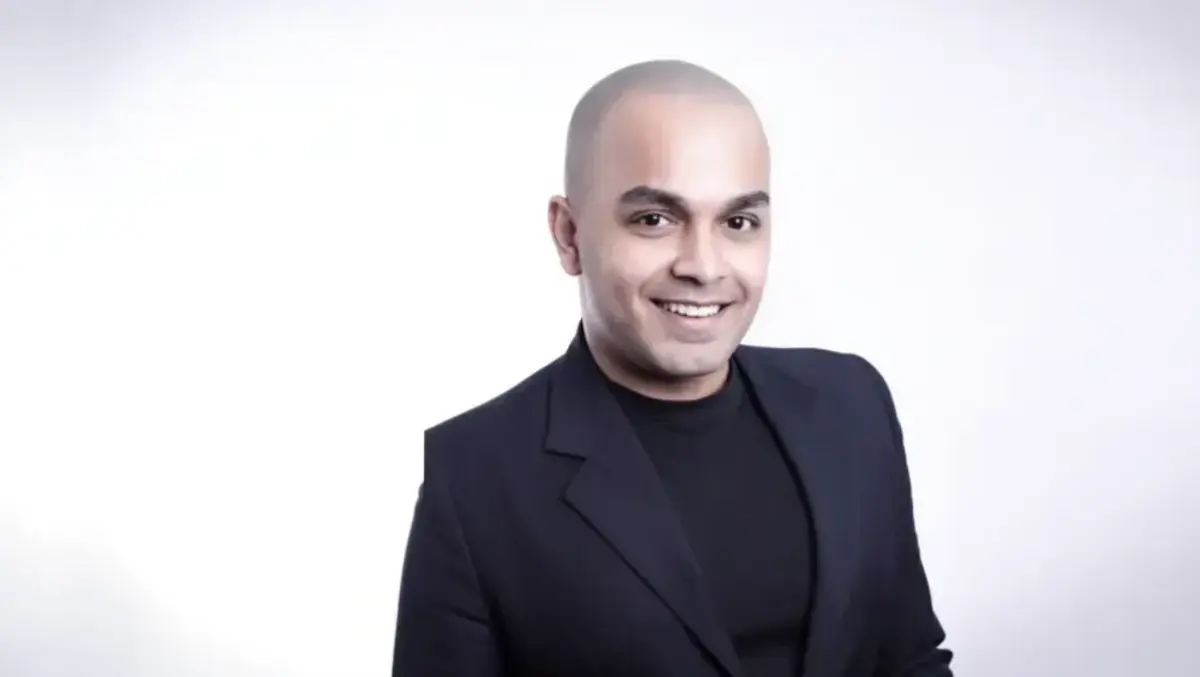
"Brands spent the last decade optimizing for algorithms that rewarded attention," said Ankur Modi, Founder and Chief Executive Officer of M11 Labs. "Systems that reward proof will shape agentic commerce. If an AI agent can't verify a claim, the brand may never make the shortlist."
Skincare findings
The inaugural report focused on skincare, the first category measured under what M11 calls its Verifiability Index. The framework is intended to judge how well product claims stand up to independent machine review.
M11 said its analysis generated tens of thousands of findings across thousands of brands, along with thousands of competitor profiles and more than 20,000 scans of regulatory exposure across several jurisdictions. The work forms part of a broader research effort tied to its marketplace and scanning tools.
"The problem is often not that evidence doesn't exist," Modi said. "It's that the evidence isn't accessible, connected to the claim or readable by the systems increasingly informing purchase decisions. We have generated tens of thousands of findings across thousands of brands, built thousands of competitor profiles and performed well over 20,000 regulatory exposure scans against enforcement bodies spanning multiple jurisdictions."
Marketplace model
OpenMarket, the second product unveiled by M11, functions as both a marketplace and a research engine. Shoppers enter what they want, brand agents compete to win the recommendation, and each claim made by an agent is checked in real time, according to the company.
The marketplace runs on the Universal Commerce Protocol, which M11 described as an agentic commerce standard co-developed by Shopify and Google with support from a wider group that includes Amazon, Meta, Microsoft, Salesforce, Stripe, Etsy, Target and Wayfair. Through that protocol, agents read live catalogue data, allowing prices and offers to update as brands change them.
OpenMarket reaches open marketplaces including Shopify and spans more than 3 million merchants and billions of products, M11 said. The company added that the same scans used to support product recommendations also underpin its category research, giving it a continuously updated view of how product claims fare under machine review.
Independence claim
M11 said it applies the same verification standard to all brands, whether they are customers or not. It does not test products, certify performance or audit manufacturers, but instead asks a narrower question: whether a claim can be independently verified.
That positioning is central to the company's pitch to brands and merchants. If AI systems become a more influential layer between sellers and buyers, the process used to assess product claims could shape which goods consumers even consider.
"Everything the platform generates must be independently verifiable," Modi said. "We don't gate it, don't censor it. And we don't change the result because a brand is a customer. A score means something to an agent precisely because it can't be bought."