


AiDeliv unveils AI logistics exchange for small importers
Fri, 9th Jan 2026
San Diego logistics startup AiDeliv has launched an online marketplace that uses artificial intelligence and reverse auctions to cut international shipping costs for small Amazon sellers and other importers.
The company targets importers that ship from Asia to major consumer markets and that face higher freight rates than large corporates on comparable routes.
AiDeliv positions its service as an "eBay for logistics". It operates a digital exchange on which vetted freight carriers bid against each other for shipments under a reverse auction model.
Small importers often face freight rates that are 30-40% higher than those paid by large enterprises for the same China-US routes. They lack the volume and data that support direct rate negotiations, and they often have limited visibility into the full cost of landed goods.
AiDeliv's platform aggregates demand from multiple small businesses into larger volumes. Carriers then compete for that combined business, submitting bids that must improve on previous offers in each auction round.
The system uses AI to screen carriers before they are allowed to bid. The checks cover route history, customs performance and damage rates. Only providers that pass this vetting process can access the marketplace.
AiDeliv focuses initially on Amazon sellers and other small eCommerce importers that ship from China to the United States. The company also supports routes from Vietnam, India, Thailand, Malaysia and Indonesia to destinations including Europe, Canada, Australia and Japan.
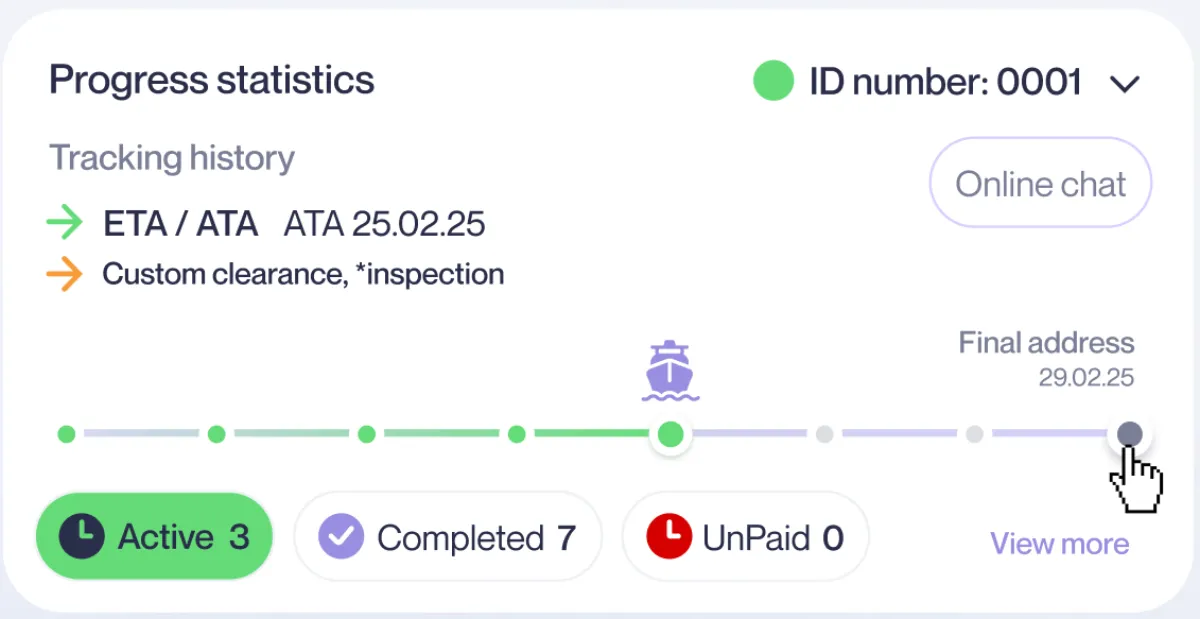
Air freight options on the platform range from five to 12 days in transit. Ocean freight ranges from 18 to 45 days. The firm states that its primary corridor at launch is China to the US.
Tariff uncertainty
The launch comes amid ongoing tariff volatility on trade between China and the US. Many smaller importers have struggled to predict total landed costs as duties change and additional fees surface at customs clearance.
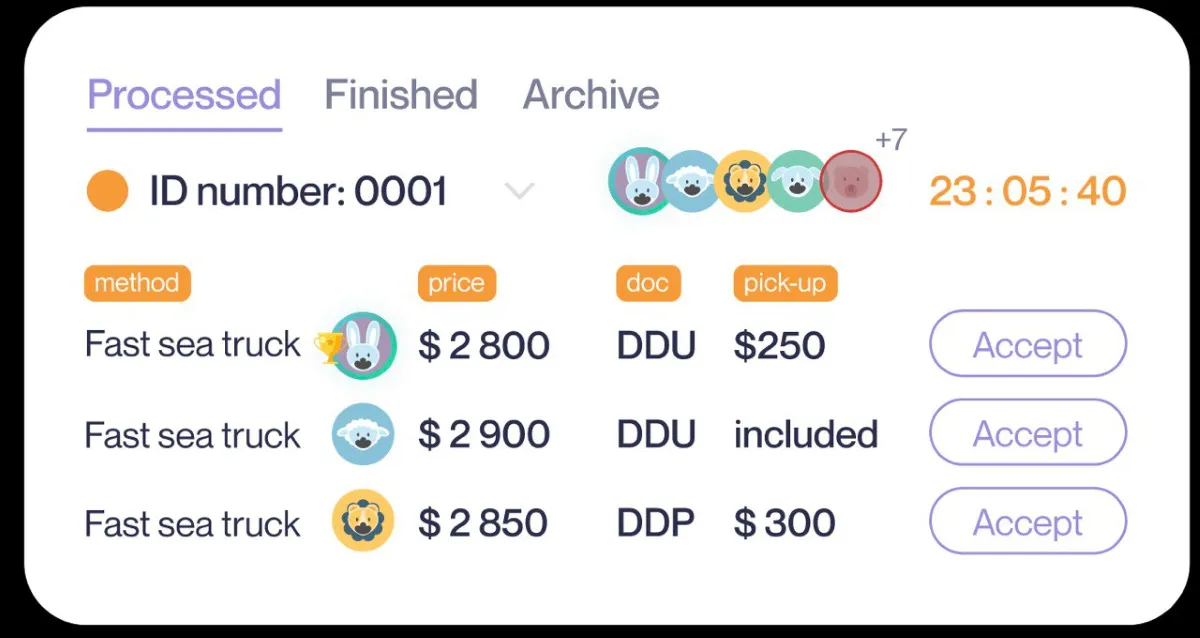
AiDeliv structures all bids on Delivered Duty Paid (DDP) terms. The carrier includes all customs duties, taxes and associated fees in the upfront quote. Importers see a single, all-in price before they commit.
Most freight forwarders reserve fully transparent DDP pricing for larger customers that ship predictable volumes. Small importers are more likely to receive Delivered Duty Unpaid (DDU) terms. They then face unknown duties and charges at the border, which can disrupt cash flow and pricing.
AiDeliv automates the DDP coordination process inside its auction environment. The aim is that a small importer booking through the platform faces the same level of cost certainty as a large account customer at a traditional forwarder.
Founding Chief Executive Vitalii Savryha said the system is designed around the needs of smaller shippers rather than large freight buyers. "Traditional shipping puts small importers at the bottom of the priority list," said Vitalii Savryha, Founder, AiDeliv.
"We flipped that. On our platform, carriers have real skin in the game-they compete to get in, and they know that one mishandled shipment could cost them access to the entire network. Your cargo stops being 'just one pallet' and becomes part of something they can't afford to lose," said Savryha.
Beta test data
AiDeliv ran a closed beta from summer through autumn 2025. The company says the platform processed about USD $600,000 in shipments during that period.
Users in the beta reported cost reductions ranging from 15% to 60% against their previous shipping arrangements. The variation depended on how competitive their legacy contracts and routes were before they tried the platform.
AiDeliv estimates that an importer bringing in USD $50,000 of goods per month from China could save between USD $900 and USD $3,600 each month through lower freight and clearer landed costs.
The platform does not handle the transport directly. Carriers provide door-to-door delivery and assume cargo liability. Every bid on the marketplace includes customs clearance and last-mile delivery, with no additional destination fees.
Carriers must hold at least USD $100,000 in cargo coverage to participate. Shippers report problems through AiDeliv, which then deals with the carrier. AiDeliv states that carriers risk losing access to the entire network if they perform poorly.
Business model
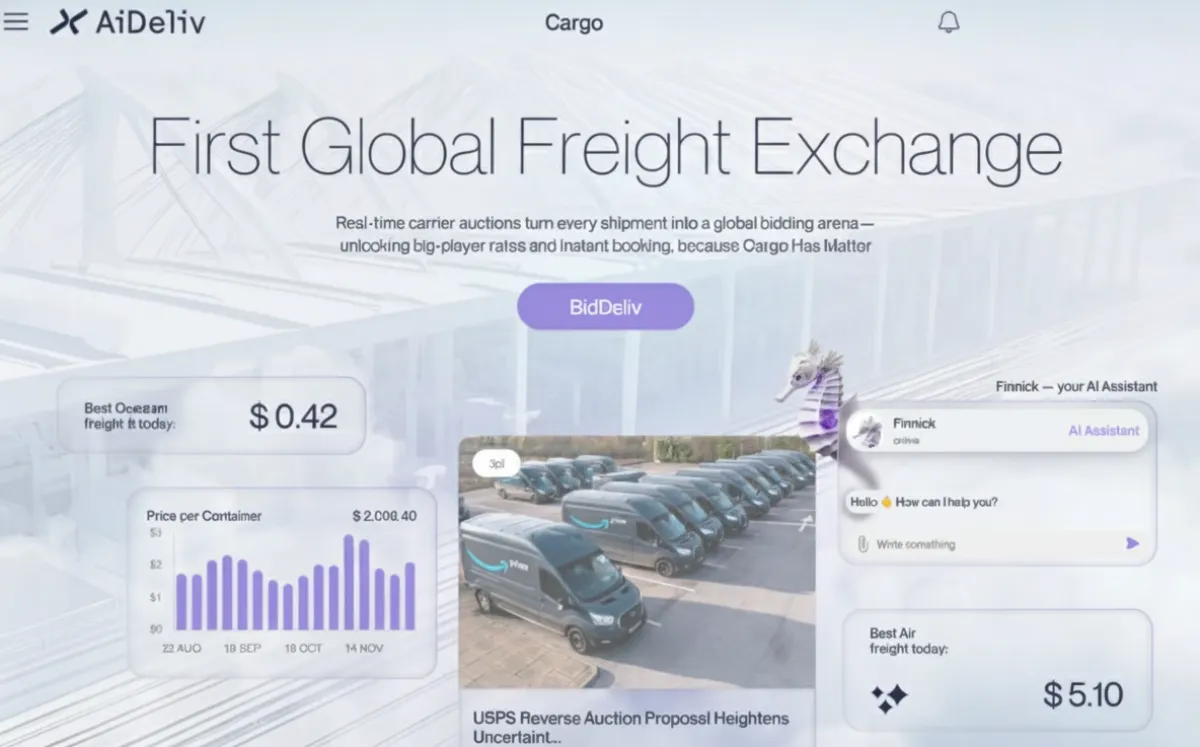
The company charges shippers no subscription or booking fee at launch. Carriers pay for access to the marketplace and for the opportunity to bid for loads. AiDeliv argues that this structure encourages genuine competition for business on each route.
AiDeliv describes its exchange as the first AI-powered logistics marketplace built around a reverse auction model. The company has filed a US patent application covering its technology.
Savryha founded AiDeliv in 2025 after eight years in cross-border logistics. In 2017 he co-founded ARDI Logistics, which specialised in China and Europe to US routes. In 2021 he launched ARDI Express and expanded operations to a combined 96,000 square feet of warehouse space in California and New Jersey.
He later completed executive programmes at Stanford Graduate School of Business and at Harvard focusing on supply chain management. He now plans to scale AiDeliv's exchange model across additional regions and transport modes as volumes grow.