

AI becomes core to US auto dealers' retail strategy
Tue, 17th Feb 2026
US dealers are moving from limited trials of artificial intelligence to deploying it across core retail operations, according to new research from automotive retail technology supplier Spyne.
Spyne's Auto Retail Intelligence Quarterly report found that 76% of US dealers plan to increase AI spending, citing pressure on margins and the need for faster, more consistent responses across digital channels.
The report linked the shift to a tougher trading environment, pointing to moderating sales volumes and higher vehicle prices. It cited industry data showing three-year-old used vehicles exceeded $30,000 in 2025, and said margin compression is pushing retailers to prioritise speed and process efficiency.
Although the study focused on the US market, the findings echo challenges in other markets, including the UK. Dealers are grappling with cost inflation, changes in purchasing behaviour, and a shift towards online-first interactions, while balancing investment priorities alongside the transition to electric vehicles.
From pilots to systems
The report said AI adoption is moving beyond experimentation, with many dealers treating it as part of revenue generation and performance management rather than a standalone innovation project.
In the near term, it identified conversational AI and lead engagement as major areas of adoption. AI-driven chatbots now handle up to 70% of initial customer enquiries, improving response consistency and lead qualification by up to 40%.
Merchandising was the second area of early impact. Listings enhanced with AI-generated imagery and descriptions delivered 50% higher engagement, a near-term gain for dealerships reliant on online listings for discovery and lead capture.
A third use case is inventory and pricing. AI-driven inventory management is replacing static pricing models, supporting dynamic decisions intended to protect margins and reduce holding costs.
The findings also reflect a broader reworking of dealership processes. Over the past decade, enquiry handling, vehicle presentation, pricing and workflow management have increasingly shifted into software platforms. The report suggested AI is now being embedded into those workflows rather than used as separate tools.
Silo risk
Despite higher planned investment, the report found deployment remains fragmented. Many dealers buy separate tools for chat, pricing and merchandising, often without a shared data foundation, limiting coordination across departments.
This creates operational risk. Digital-first customers expect rapid responses and continuity between touchpoints, but a lack of integration can leave teams working with different versions of customer intent, inventory data and pricing assumptions.
The report said the gap between tactical and embedded use of AI is becoming more visible. Dealerships that treat AI as an add-on may struggle to match the pace of those that redesign workflows around automation and shared data.
Roadmap to 2032
The report outlined how AI could evolve inside dealership operations over the next five to six years, moving from handling follow-ups and scheduling in 2027 and 2028 to coordinating work across teams by 2029.
By 2030, it forecast AI would be viewed as a "must-have" system alongside customer relationship management and dealer management systems. By 2032, it predicted the strongest performers will be dealerships that deliver hyper-personalised buying journeys at scale.
The report also placed this within a wider rise in global AI investment, saying spending is expected to reach the trillion-dollar range mid-decade-an operating shift rather than a narrow retail trend.
Dealers are likely to keep increasing AI spending in the near term, with attention shifting from isolated tools to integration across data and workflows.
Spyne is positioning its product strategy around these developments. It describes itself as an AI-native automotive retail technology provider with more than 3,000 dealership customers worldwide. Its tools cover imaging and vehicle presentation, as well as AI-driven lead handling and workflow automation across sales and service operations. The company has raised more than $25 million from investors including Vertex Ventures SEA and India, Accel, Storm Ventures and Alteria Capital.
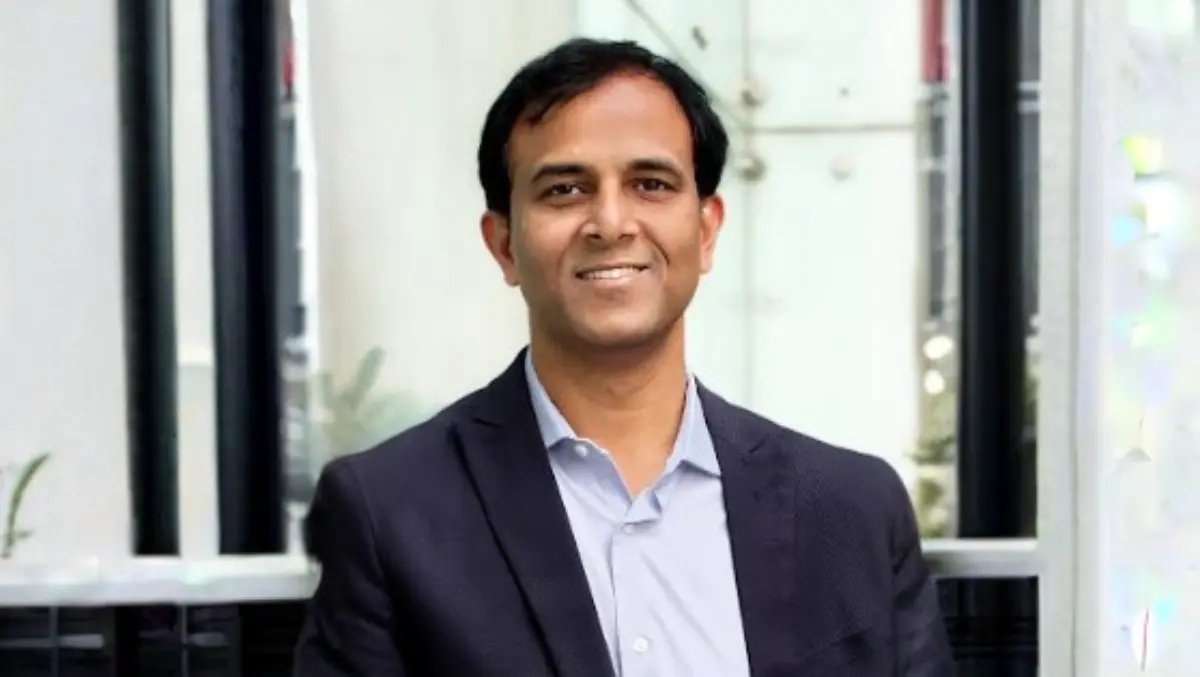
Spyne Co-Founder and CEO Sanjay Kumar Varnwal said:
"AI in auto retail has moved past the question of whether to adopt it. The real divide now is between dealerships using AI tactically and those embedding it as part of their operating model. As we look ahead, AI will become the cornerstone of competitive differentiation in the auto retail sector."